

Permakultur-Design für das Maitreya Healing Biotope
Vision and Context of the Project
In 2021, the Maitreya community took responsibility for a 40-hectare plot of land in southern Spain with the intention of creating a self-sufficient healing center that combines spiritual practice and regenerative agriculture. The planned services ranged from yoga retreats, plant medicine ceremonies, sound journeys, and vision quests to courses on permaculture and Human Design. At the same time, the land was to serve as a production site for high-quality, healthy, and nutrient-rich food—both for the community itself and for local and international markets.
At the beginning, the community consisted of five to six permanent residents, supplemented by temporary visitors: volunteers, guests, course participants. However, the long-term vision went far beyond that: festivals, ecotourism, the development of an eco-village with educational programs and an alternative school concept.
Location and Climate

Puerto Lumbreras, Murcia (Spain)

22 Acres

Köppen-Geiger-Classification: BSk
USDA Plant Hardiness Zone: 9a

Mean Annual Precipitation:
376 mm
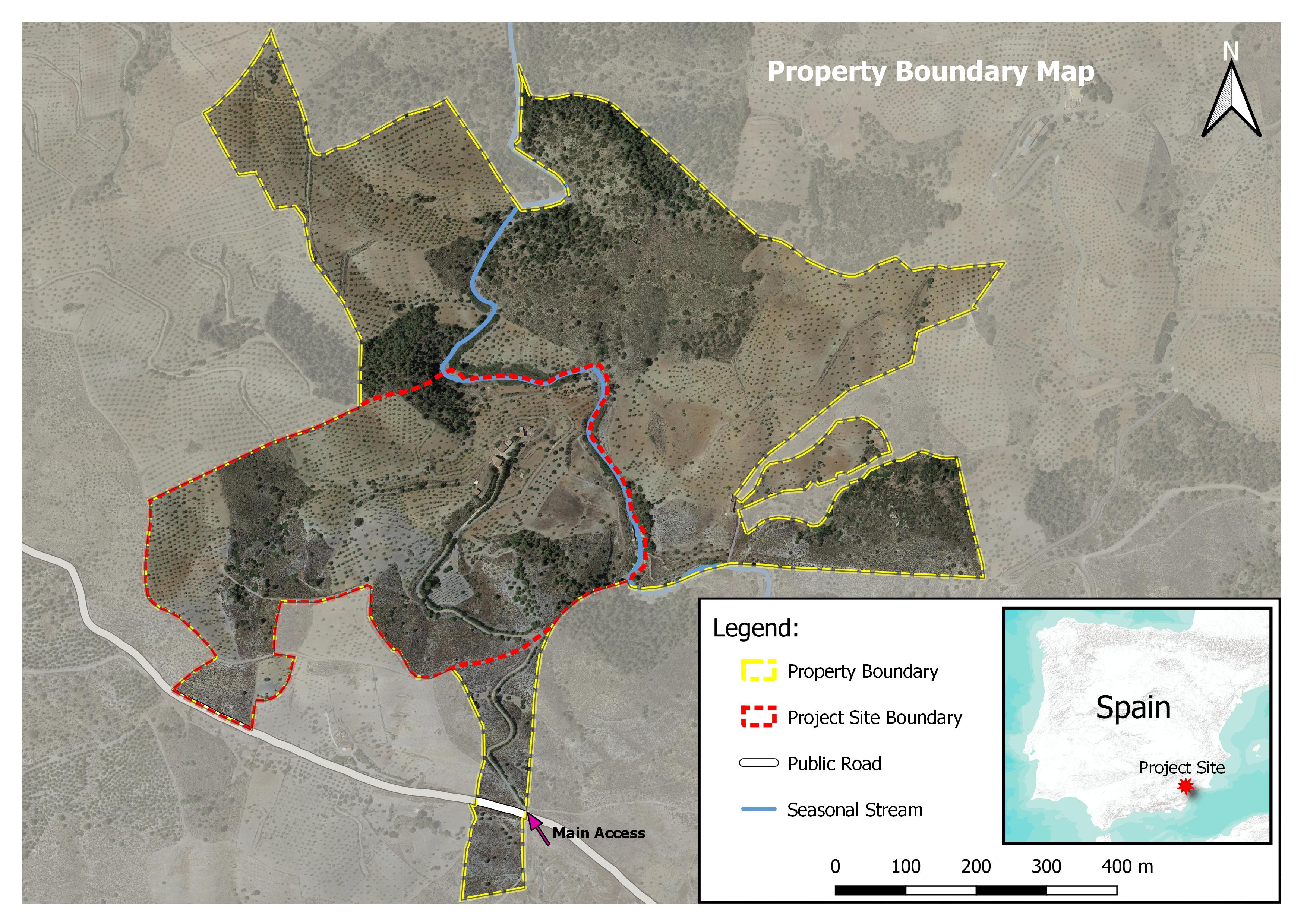
Less than 400 mm of precipitation per year, spread over a few intense rainfall events, means long dry periods and torrential downpours. The semi-arid climate of southern Spain is characterized by extremes—droughts alternate with floods, strong sunlight meets occasional strong winds. Such conditions are challenging but manageable for a healthy, intact ecosystem. For a heavily stressed system, however, they become an existential threat, which is why large parts of southern Spain are now threatened by desertification. For example, Cabo de Gata, the driest place in Europe, is located only about 100 km to the southwest, surprisingly close to Almeria, one of the most important centers for vegetable cultivation in Europe.
The Situation on the Ground
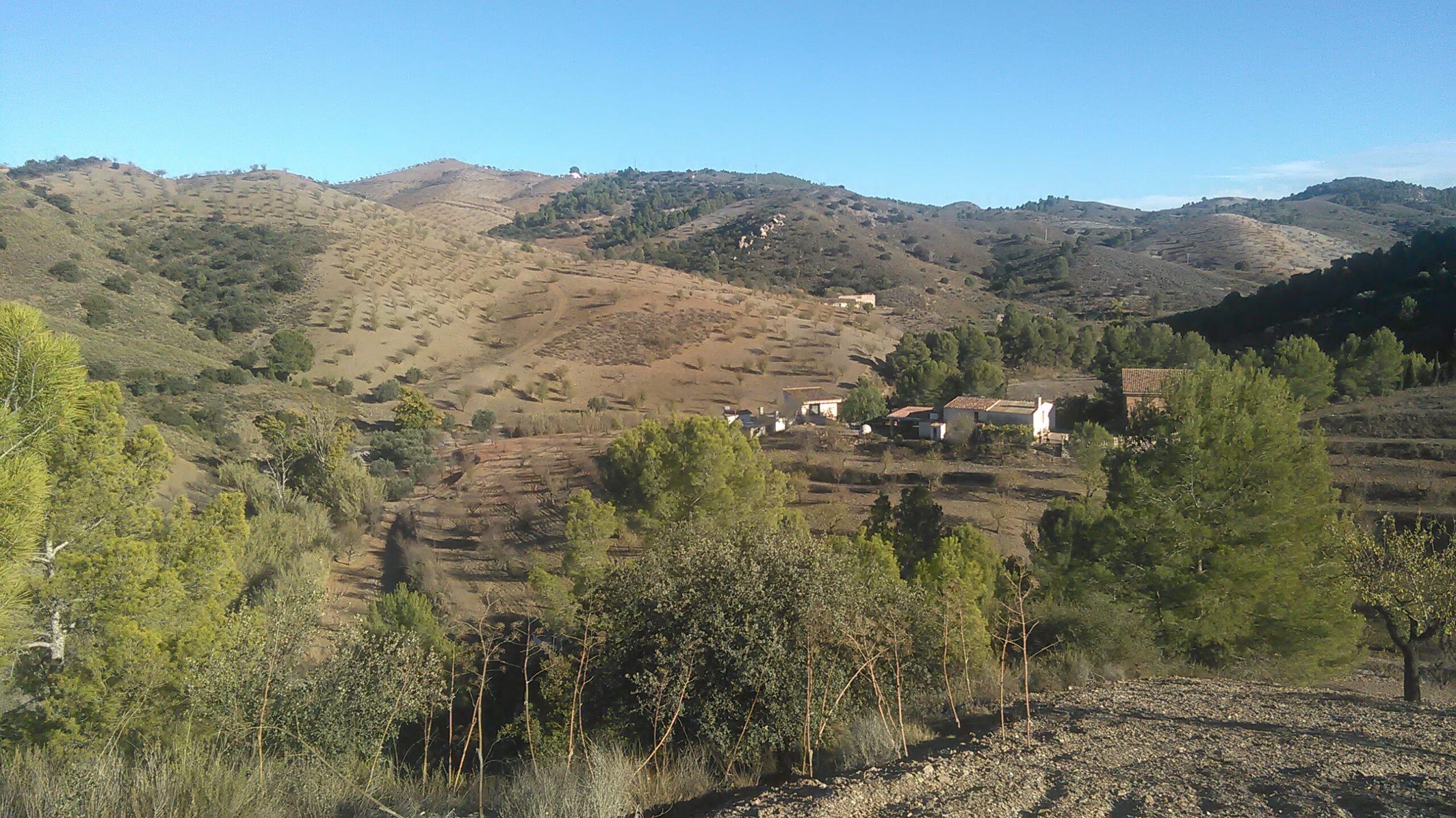
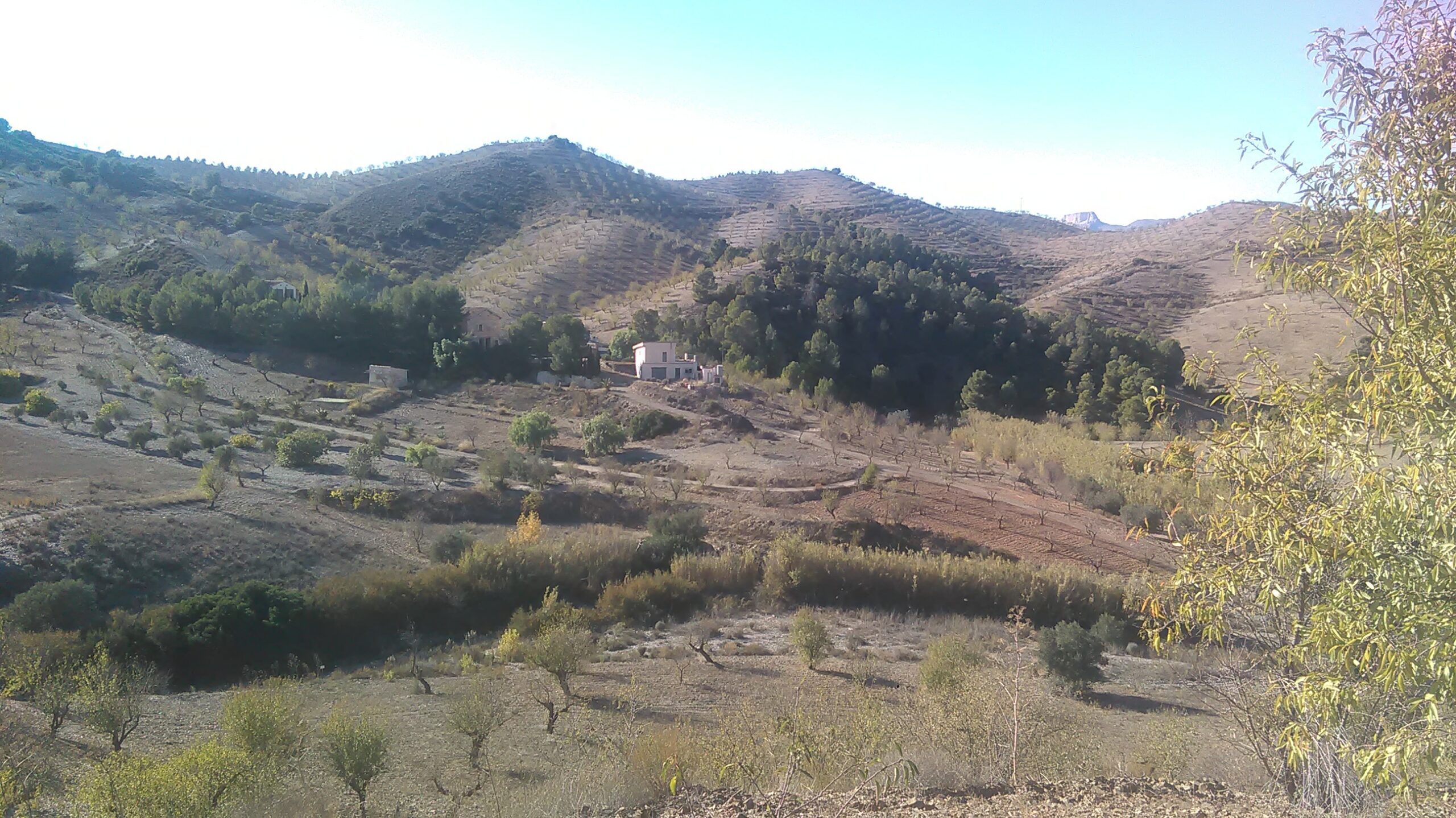
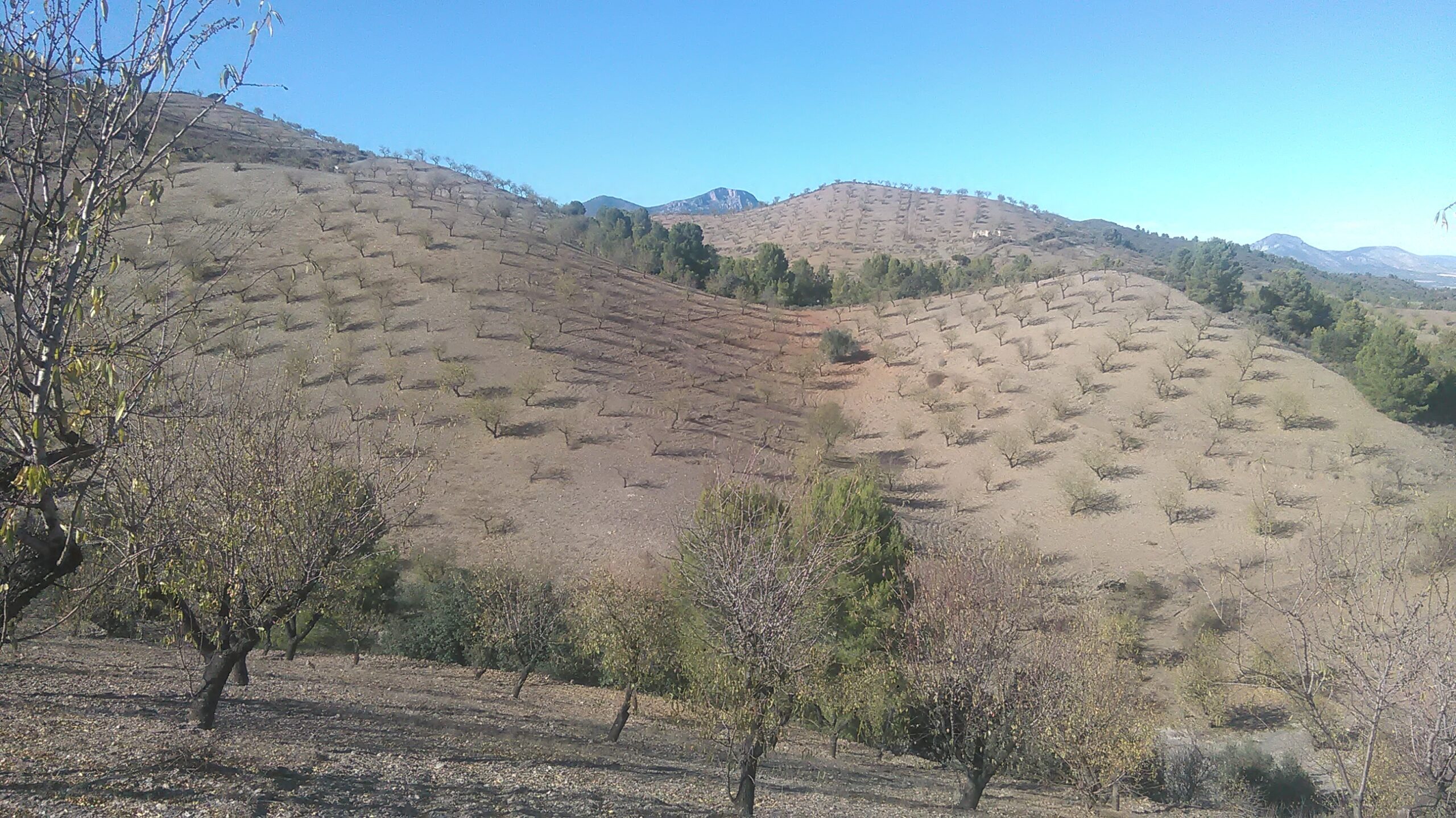
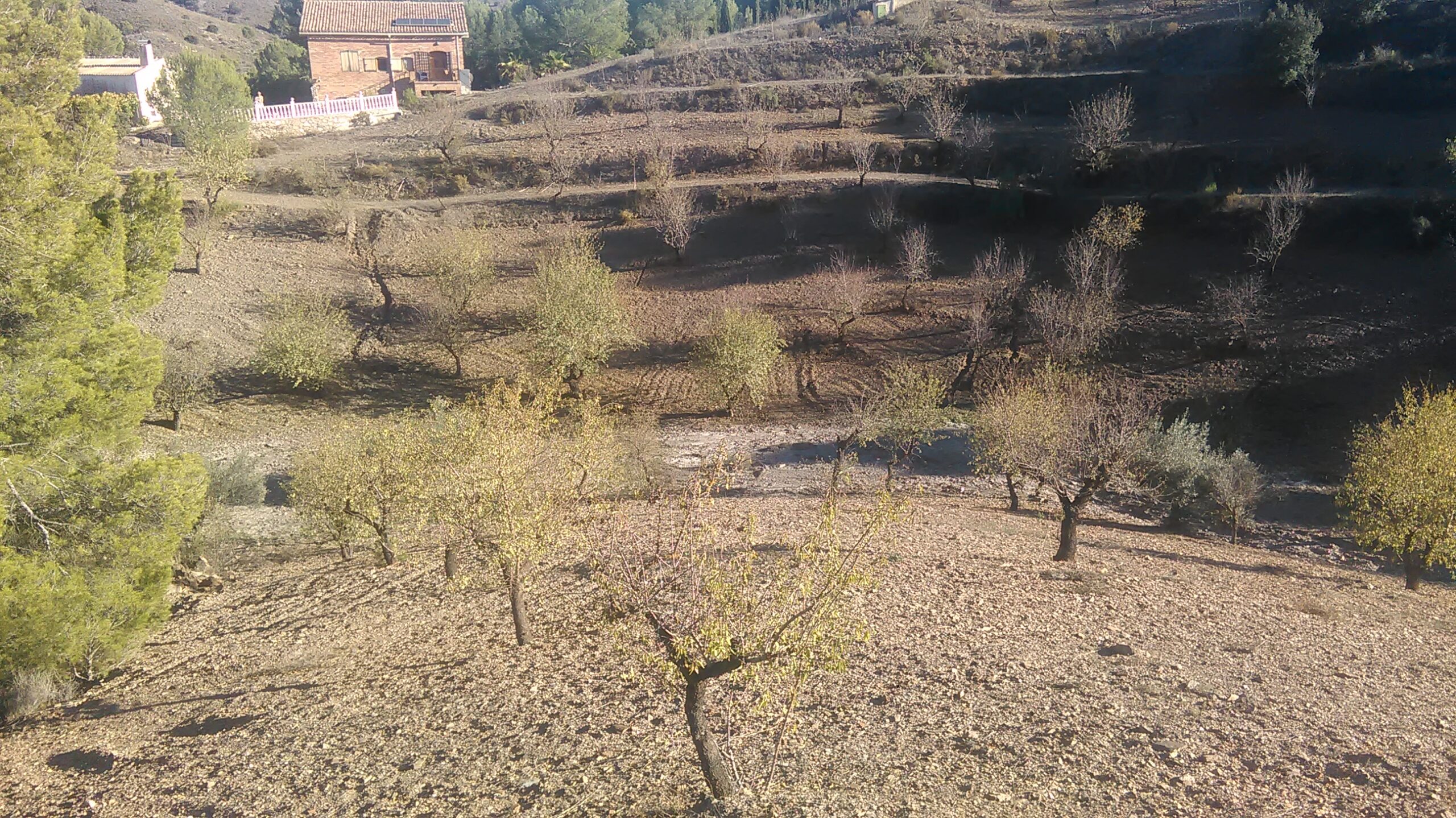
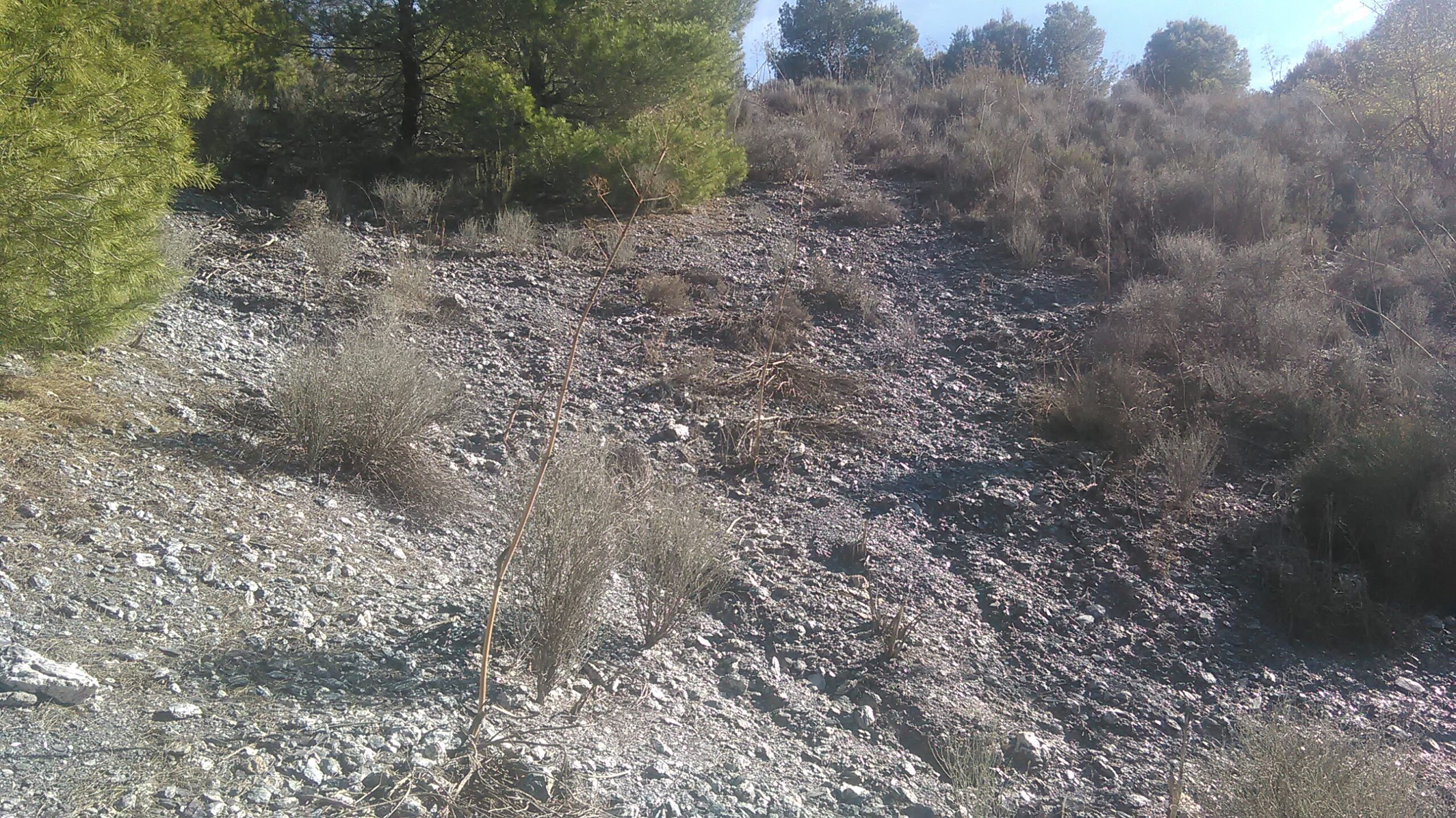
At the time of acquisition by Maitreya, the land had been marked by decades of intensive farming. Most of the area was planted with almond trees in monoculture, which is typical for the region. Conventional farming methods, especially regular mechanical tillage, had severely damaged the soil. The topsoil consisted of only a thin layer of heavy soil with a high clay content and minimal organic matter. As a result of mechanical tillage, the soil was also mixed with fragments of the underlying shale bedrock. Normally, healthy soil is able to compensate for fluctuations by buffering pH values or releasing stored water and nutrients, for example during dry periods. However, without organic matter, the soil could no longer perform its buffering function. The soil was barely able to absorb water or store nutrients and tended to become compacted and encrusted.
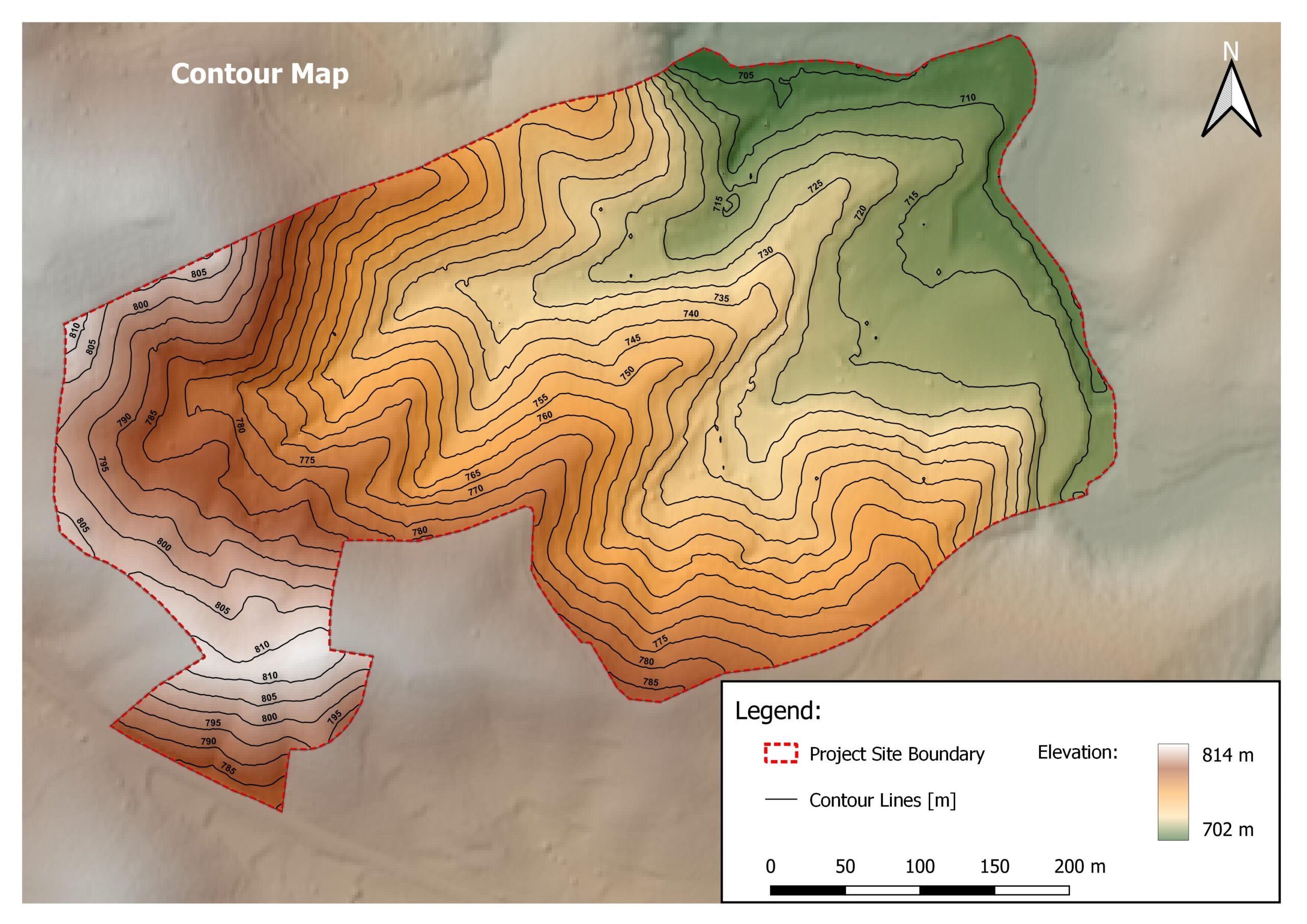
The partly steep slopes of the property showed the consequences in a drastic way. Seasonal heavy rainfall events—not uncommon in this region—lead to massive surface runoff and sometimes leave deep erosion channels. The water cannot seep away, but flows unchecked down the slopes, washing away the former fertility of the land in the form of soil and nutrients. The landscape appeared monotonous, lifeless, and exhausted. There was little diversity, little ground cover between the rows of trees, and few signs of functioning soil life. Natural self-regulation was severely impaired and, from an ecological point of view, the property was in a state of advanced degradation.
Regeneration as the Key Tool
Against this backdrop, regenerating the land was not only desirable, but of existential importance. Without functioning soils and sufficient water, the land would not be able to sustainably support the vision of Maitreya. However, this was precisely where the opportunity lay: degradation is not an irreversible condition, but a process that can be reversed by working with nature. The project therefore offered the potential to have an impact far beyond Maitreya: as a model farm for regenerative practices and a place of learning for local farmers, as well as a testament to the potential for mutual support in the healing processes of humans and nature.
Summary
- Vision: Building a self-sufficient healing center and community with a focus on spiritual practice, education, and regenerative agriculture.
- Reality: 40 hectares of degraded land with depleted soils, active erosion, and extreme climate conditions.
- Key challenge: How can a dysfunctional ecosystem be restored in such a way that it meets the needs of a growing community and serves as a model for regenerative land use in semi-arid regions?
The answer lies in a design that recognizes and utilizes the given circumstances to support nature in its regeneration.
Concept for the Design
In order to build a thriving community despite the difficult site conditions and enable it to fulfill its mission, a Permaculture design was to be developed for Maitreya. The main concern of this design was to connect the community's vision with the requirements of the land. To this end, an area of approximately 22 hectares directly adjacent to the existing main buildings was selected. Throughout the design process, the land and the people were to be treated equally, taking into account the available resources. The design therefore aimed to combine the reversal of the current degradation with the jointly developed design objectives:
“The creation of a long-term functioning, health-promoting, diverse, productive, vibrant, and aesthetic ecosystem that ensures the self-sufficiency and autonomy of the community and promotes the emotional, physical, mental, and spiritual healing of its residents.”
Biggest Challenges for the Design
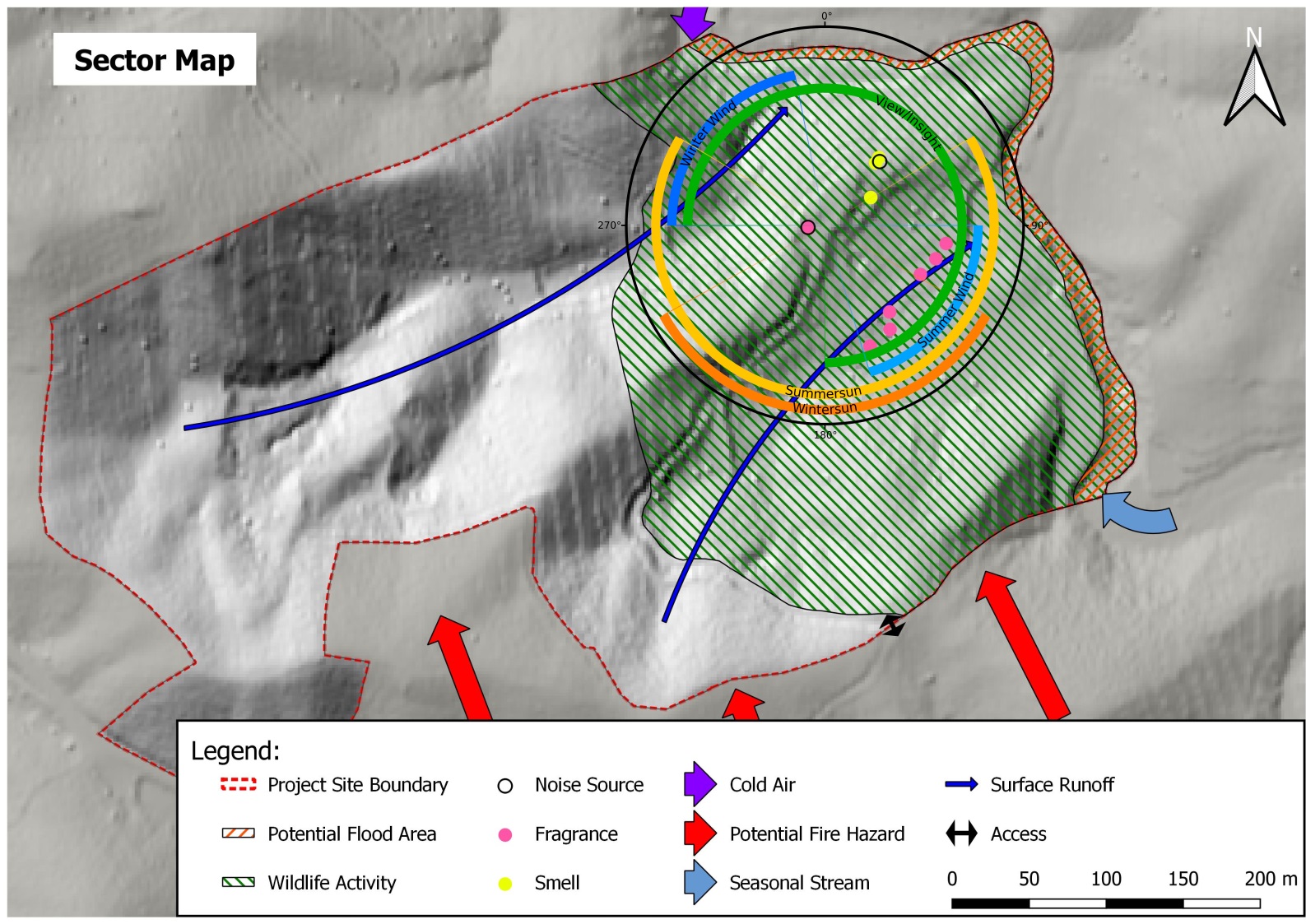
The prevailing semi-arid climate and associated extreme weather conditions in the form of floods and droughts make conditions in southern Spain generally challenging. However, the situation was even more delicate due to the damaged soils, as their capacity for self-regulation and resilience was severely limited. It was therefore to be expected that the heavily eroded, damaged, and infertile heavy soils would be the biggest obstacle to a thriving community. The soil was low in fertility and rock-hard during dry periods. When it rained, the water could hardly infiltrate the soil, leading to surface runoff and evaporation. In addition, the shallow soil would presumably hinder the deep growth of plant roots and earthworks, with implications for their cost and likelihood of success. Furthermore, there was a latent risk of landslides on steep slopes, as the clay layer on the smooth slate could start to slide when saturated.
As a result, it was reasonable to assume that there would be a high demand for human care at the beginning of the transformation process, as new plantings require special attention until they are established. This applies in particular to irrigation. The scope of the work and the area to be covered represent an enormous logistical challenge for a small community.
The Problem is the Solution
Careful long-term observation should provide the foundation for the regeneration process in order to attune to the specific rhythms of the land—even beyond this design process. Natural boundaries should not be seen as obstacles, but rather as a creative framework. The subsequent design and interaction with the land aimed to transform perceived problems into solutions:
1. Renaturation Projects are in Vogue:
The vision of Maitreya is inspiring, and the poor condition of the land can be a decisive factor in its realization. In times of climate change and environmental protection, projects with a corresponding environmental character sometimes enjoy a great deal of attention and may be readily supported. Communicated appropriately, the degraded state of the land can be actively used to generate attention and attract financial support and volunteer work (volunteers/guests).
2. Using Destructive Energies Productively:
Instead of condemning sun, wind, and heavy rain for their negative effects, it is advisable to use the underlying energy as a resource for the regeneration process. In addition to using solar and wind energy to generate electricity, erosion gullies can, for example, serve as a starting point for establishing vegetation adapted to the location. These are a clear indication of the accumulation and flow paths of water, probably the most important resource for plants. Through carefully placed earthworks, this water can be collected and infiltrated into the soil, where it is available to plants in the long term. In this way, a destructive force is transformed into targeted passive irrigation of vegetation islands. Starting from such germ cells, nature can regenerate itself, while the effort required by the community remains manageable. The clay deposits created over time by leaching can in turn be used locally as building material for structures or for sealing water reservoirs.
3. Monoculture as the Cradle of Polyculture:
Although designed as a monoculture, the almond plantation offers great potential. Apart from the fact that the trees are already producing a yield, these can be diversified relatively quickly by grafting them with other Prunus species without having to wait for new crops to grow. The existing trees also provide shade for new plantings and supply organic material, while the wide spacing between them offers space for earthworks. As a result, particularly steep slopes can be taken out of production and gradually reforested. This replaces laborious and sometimes even dangerous cultivation with valuable wilderness areas and soil stabilization, which noticeably reduces the workload for the community.
Three Key Strategies for the Maitreya Healing Biotope
Permaculture always seeks to identify the levers that will achieve maximum effect with minimum effort. Three core strategies form the backbone of the design for the Maitreya Healing Biotope. In order to improve the overall situation in a sustainable manner, these strategies have been chosen to reinforce each other and support the natural regeneration process. The aim is to create the basis for realizing the specific elements and qualities desired by the community and ultimately meeting the needs of all local users.
1. Building Soil
The structure of humus-rich soils significantly increases infiltration rates along with water and nutrient storage capacity. This results in soil fertility and a reduced risk of erosion, while increasing the depth of the topsoil layer. The following measures are designed to counteract current soil degradation by increasing the organic matter content, improving soil quality, and restoring important soil functions:
- Use of Green Manure and Pioneer Plants:
Annual and perennial vegetation is ideal for producing organic material on site. In addition to yield in the traditional sense, attention should be paid to nitrogen-fixing or biomass-producing qualities. So-called pioneer plants are robust and adapted to challenging site conditions. Many can be pruned and the material used as mulch on site. Root penetration and ground cover promote both soil life and organic matter in the long term. - Composting:
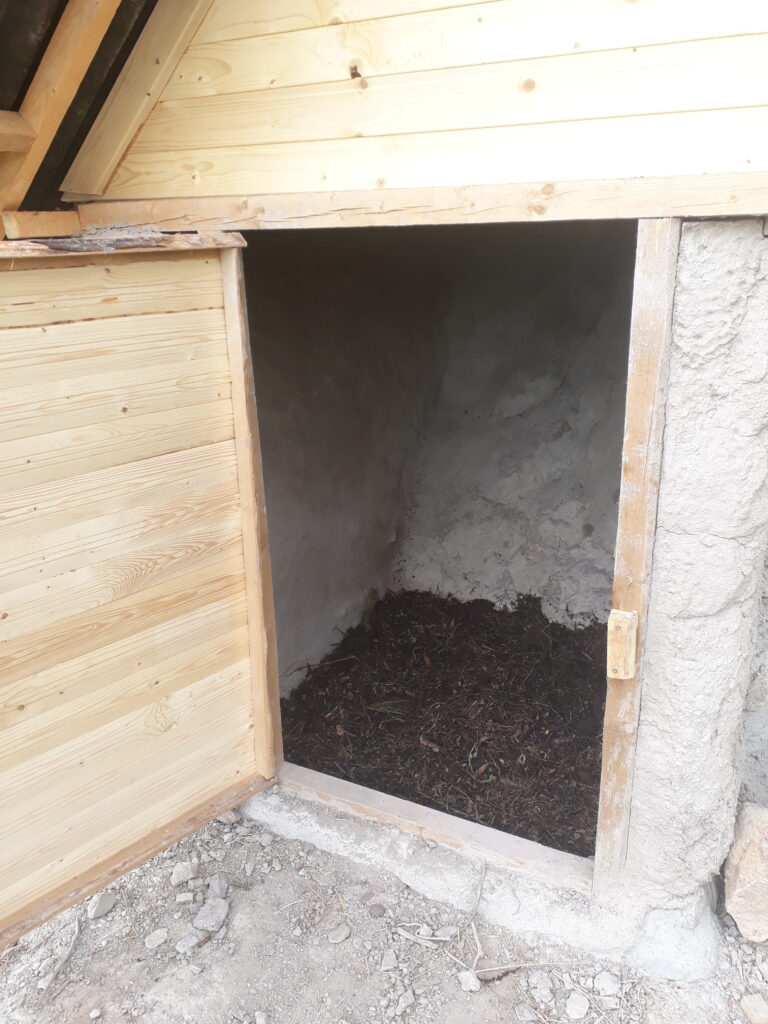
Especially in the garden context, various forms of compost production (e.g., conventional composting, worm composting, or composting toilets) can provide nutrient-rich humus. - Creation of Forest Areas on Slopes:
Since steep slopes make up a large part of the property, it makes sense to take them out of production for the purpose of soil formation and stabilization and to plant them with deep-rooted tree species. The root system breaks up the slate rock mechanically and has a long-term positive effect on soil quality, infiltration capacity, and slope stability. Nutrients and seeds will also spread downhill, supporting the natural expansion of the system.
2. Water Retention
Water management requires special attention in semi-arid areas. In order to ensure water availability throughout the year, potential excess or shortages of precipitation must be compensated for. The following measures are designed to retain water on the property for as long as possible and make it usable:
- Slow Down, Spread Out, and Infiltrate:
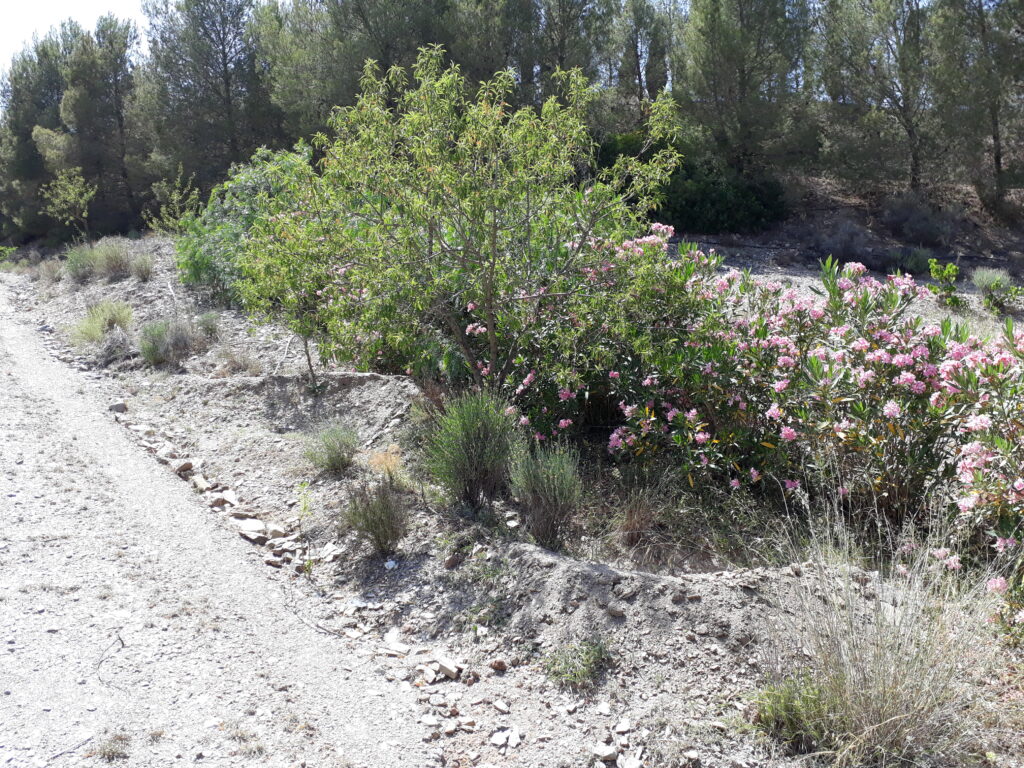
Durch Water Retention is intended to slow down, distribute, and allow surface runoff to be absorbed. Appropriate earthworks should always be planted with vegetation! A watercourse along the property boundary allows for the careful diversion and storage of floodwater to create wetlands along the banks. - Avoiding Evaporation:
Surface runoff from sealed surfaces should be stored in tanks for targeted use or for passive irrigation in the soil. There it is better protected from evaporation. Open water bodies should be avoided due to their susceptibility to evaporation. Small, strategically placed water bodies and wetlands can be protected from evaporation and wind damage with the help of vegetation. - Reductions
By irrigating with gray water or using only composting toilets, water is to be reused multiple times, thereby reducing water consumption.
3. Diversification
Diversity within a system is crucial to its resilience and ability to self-regulate. Both increase with the diversity of the elements within the system and with the quality and quantity of their relationships with each other. The following measures are intended to increase diversity in terms of structures, biodiversity, sources of income, and yields:
- Structural and Ecological Diversity
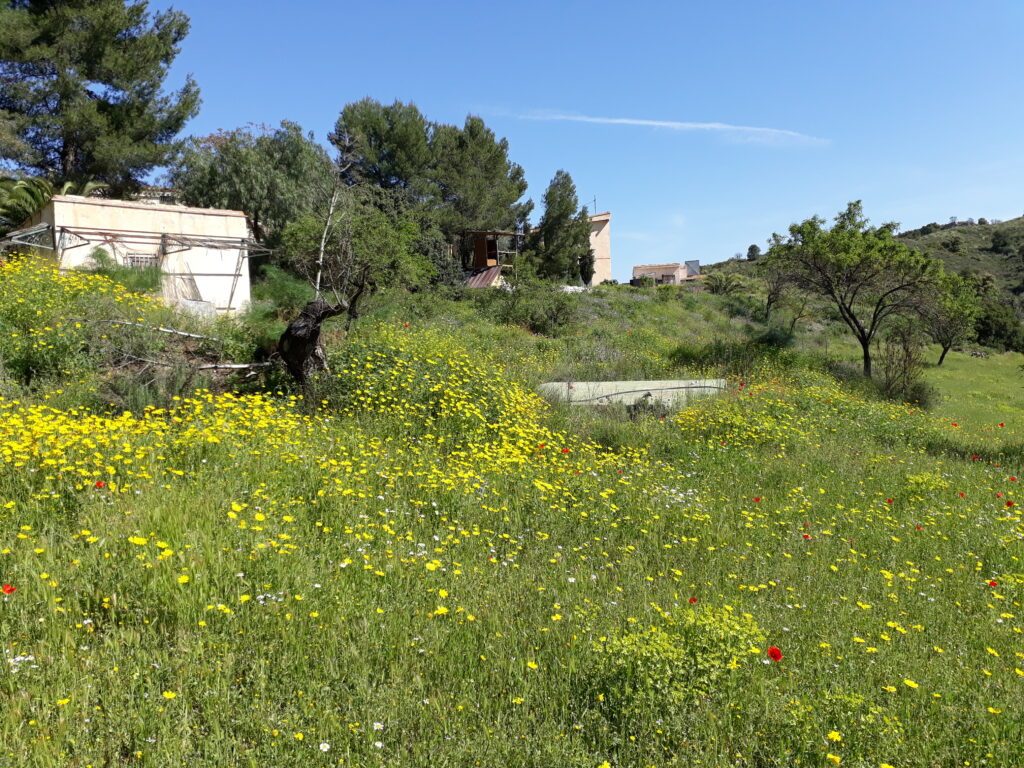
Different structures (e.g., stone walls, forests, depressions) offer different site characteristics and microclimates. These can be used for growing a variety of different crops or for other purposes. In any case, however, they promote natural biodiversity by providing vital niches for wildlife species. - Economic Diversity
The risk of crop or income losses can be reduced by introducing new economic sectors (e.g., ecotourism, retreats) and crops with different harvest times and products. At the same time, the qualities of each season can be exploited to the full. A comparatively rapid diversification of income can be achieved by grafting existing almond trees with other Prunus species. - Wilderness Areas:
Existing wilderness areas should be preserved wherever possible. Unused or economically unviable land is ideal for creating new wilderness zones.
Conclusion and Additional Concerns for the Final Design
The three pillars of building soil, water storage, and diversification form the core strategy in response to the design requirements. Although the focus appears to be on the renaturation of the land, a large part of the needs of the Maitreya community will automatically be met, or the necessary foundations for their satisfaction will be laid. The strategy serves as a basis for implementing the desired more specific qualities or elements and should always be taken into account. To name just a few wishes, these include facilities for yoga and swimming, community, creativity, and quiet areas, outdoor showers, additional accommodation in tents and huts, or facilities for processing crops and manufacturing products for sale.
Apart from this, the resulting design should improve the quality of the roads or adapt their course to the landscape and create deliberately staged views. The risk of forest fires is to be reduced by creating barriers that combine firebreaks with fire-resistant plants. With regard to implementation and maintenance, care must be taken to ensure a gentle, regenerative, and gradual approach in order to guarantee manageability and to be able to take the given site conditions into account.
Explanations Regarding the Final Design
Introduction
This Permaculture design was developed in fall 2021 for the Maitreya community. It describes the transformation of a conventional farm into a community-supported, regenerative mixed culture offering education and healing services. It was based on a comprehensive site analysis, several weeks of on-site observation, and the information available at the time. The design follows a systemic design approach that combines ecological regeneration with the needs of a growing community.
Once established, the proposed design should:
- significantly enhance the self-sufficiency and well-being of users,
- ensure manageability for a small community,
- increase economic and ecological resilience,
- and create spaces for healing, encounters, education, and retreat.
Some requests were not incorporated into the design if the cost-benefit ratio was unfavorable or if more suitable locations were available outside the project area. However, wherever possible, the qualities behind these requests were taken into account and integrated. To ensure feasibility, the design focuses on step-by-step implementation: observation, small interventions, impact assessment, and only then taking the next step or scaling up. This keeps the project manageable for the community and allows it to develop in line with available resources. Part of the design work also involved developing possible plant communities and their placement on the site. Maitreya received a detailed plant list containing species adapted to the location with a wide range of uses – from food and timber production to fire and erosion protection to aesthetic or medicinal applications.
Spatial Qualities – From Pattern to Detail
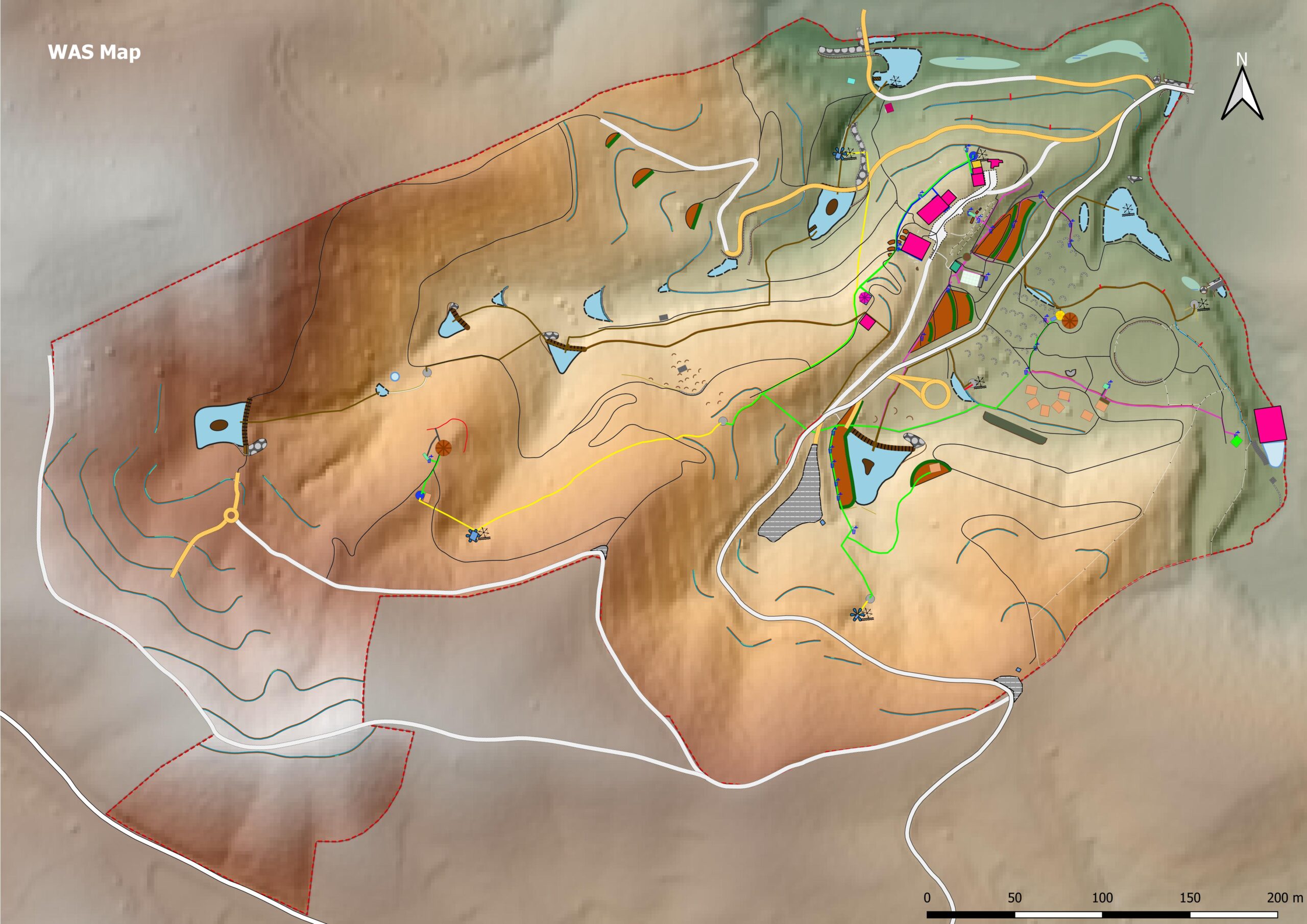
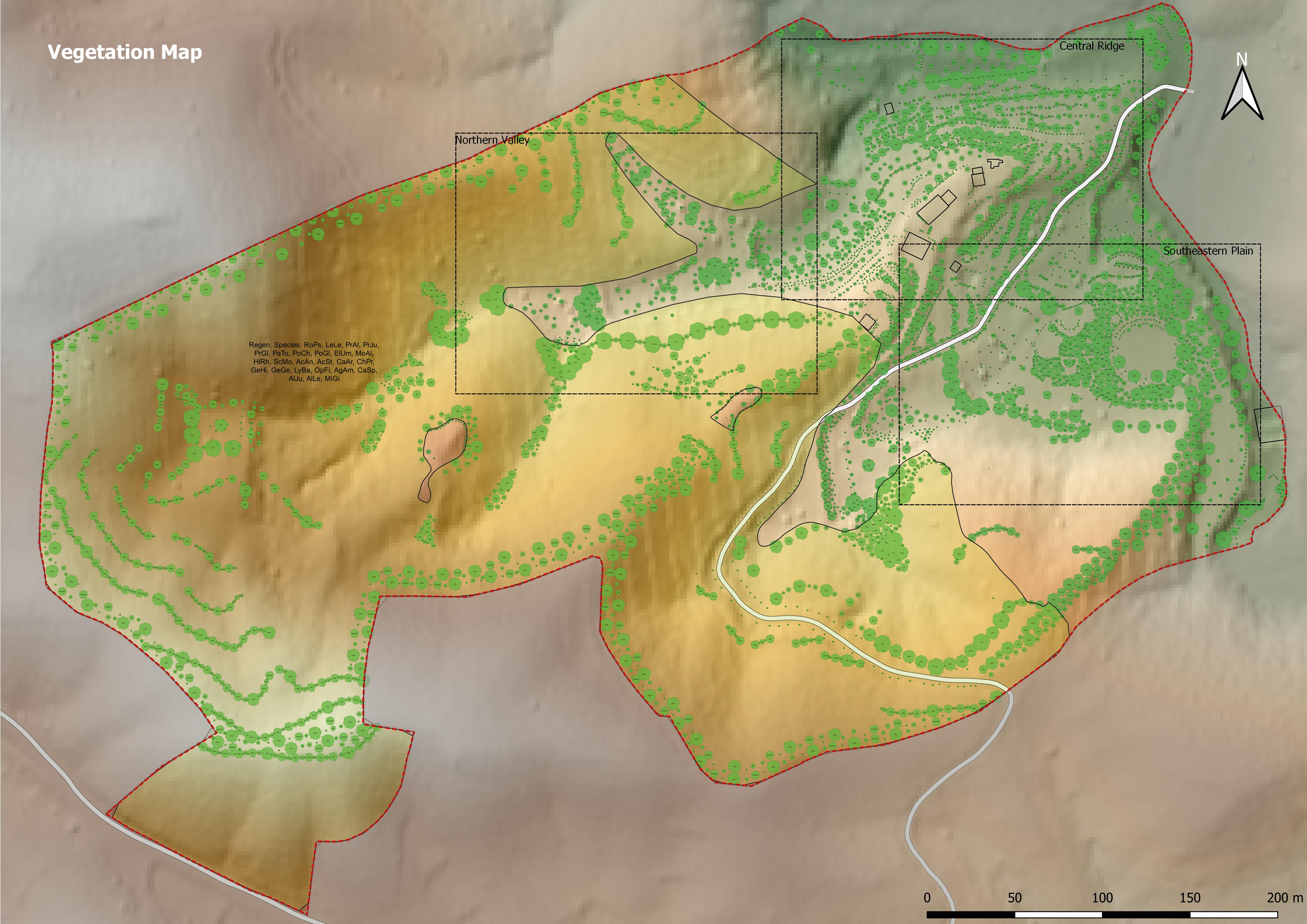
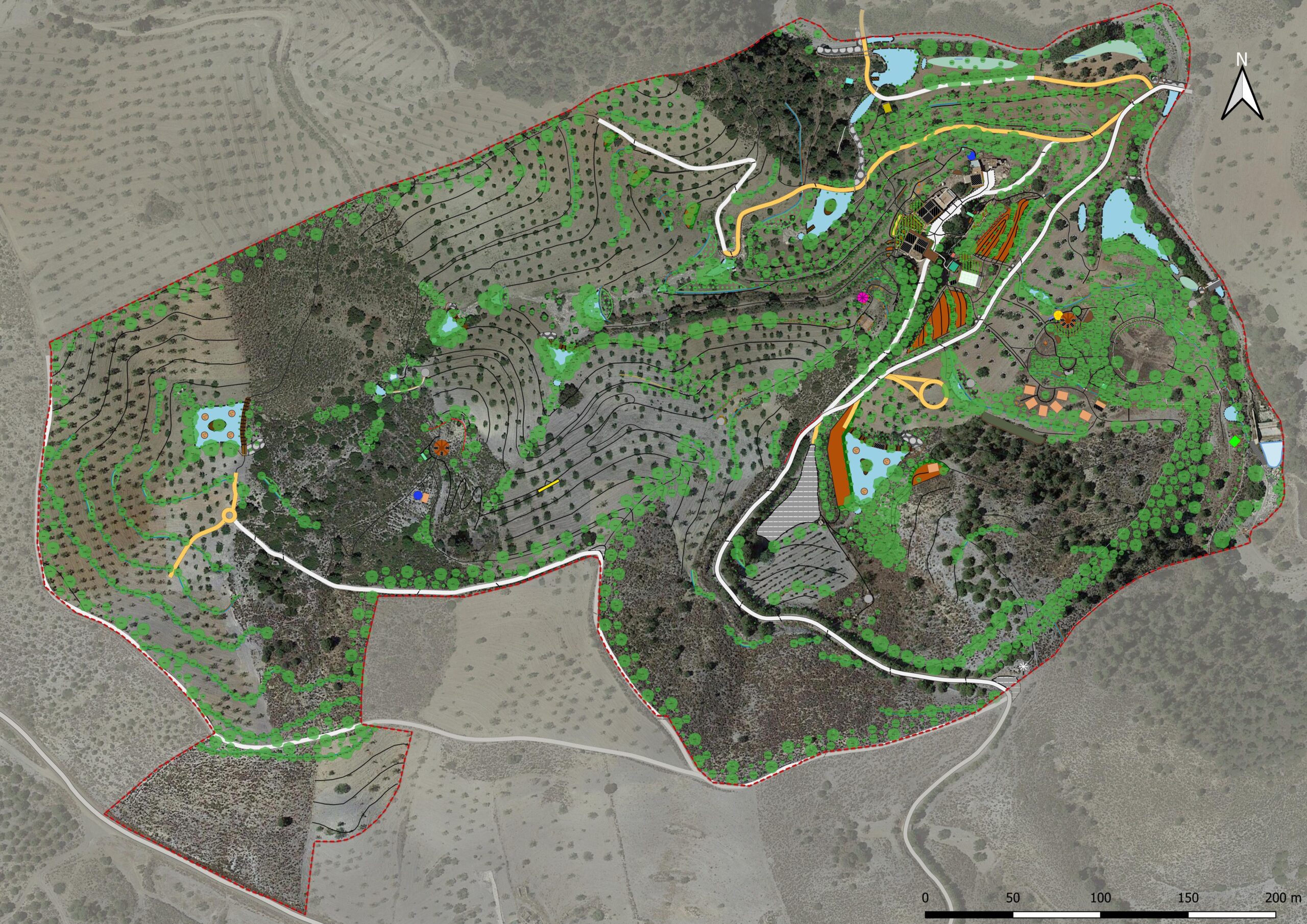
Due to topographical conditions, the design is based on a special spatial structure. The centrally located mountain range running from southwest to northeast, with the main buildings, divides the project area into a northern and a southern valley and encourages the functional assignment of separate focal points to both valleys. The mountain range acts as a transition zone, combining the qualities of both valleys. Corresponding spaces combine parts of the qualities of adjacent systems and provide space for mutual exchange. Applied to Maitreya, this means that the residents there enjoy the respective qualities in return for conducting energies and exchange between the two valleys.
The Northern Valley: Regeneration & Healing
The dominant and difficult-to-use slopes of the northern valley encourage a special focus on renaturation and healing of people and nature in this area.
Rainwater is retained in the landscape as far as possible by interconnected retention and infiltration elements. It is then available for site-specific planting in the context of successive forest development to stabilize particularly steep areas at risk of erosion. These areas are deliberately taken out of production for this purpose. This not only reduces risks (erosion, accidents, effort), but also creates stable wilderness and buffer zones in the long term. The gradual approach allows almond harvesting to continue as a source of income until the new and diverse systems have become established in the valley areas. Due to the existing and comparatively easy-to-supplement shade provided by trees or other elements, the valley offers the opportunity to install a sequence of explicitly desired open water bodies with upstream sediment trapping basins. Connected by pipes, the respective water levels can be adjusted and excess water distributed to avoid half-filled dams and thus unnecessary evaporation areas. The watercourse on the eastern boundary of the area allows for the careful use of floodwater and the creation of wetlands along the banks.
Amidst these regeneration measures, a space is being set aside for the new infrastructure and the center for the healing work of Maitreya. The location symbolizes the joint healing process of humans and nature. A network of paths and trails not only provides access to the regeneration areas for work purposes, but can also be used by guests in the future to retreat into nature for taking walks in a peaceful atmosphere or exploring the landscape.
The Southern Valley: Everyday Life & Productivity
While the core strategies relating to soil, water, and diversity continue to play a central role, the spatial organization is more focused on daily life and the productive use of the land. A comparatively flat area offers plenty of space for vegetable gardens and the necessary infrastructure to accommodate guests.
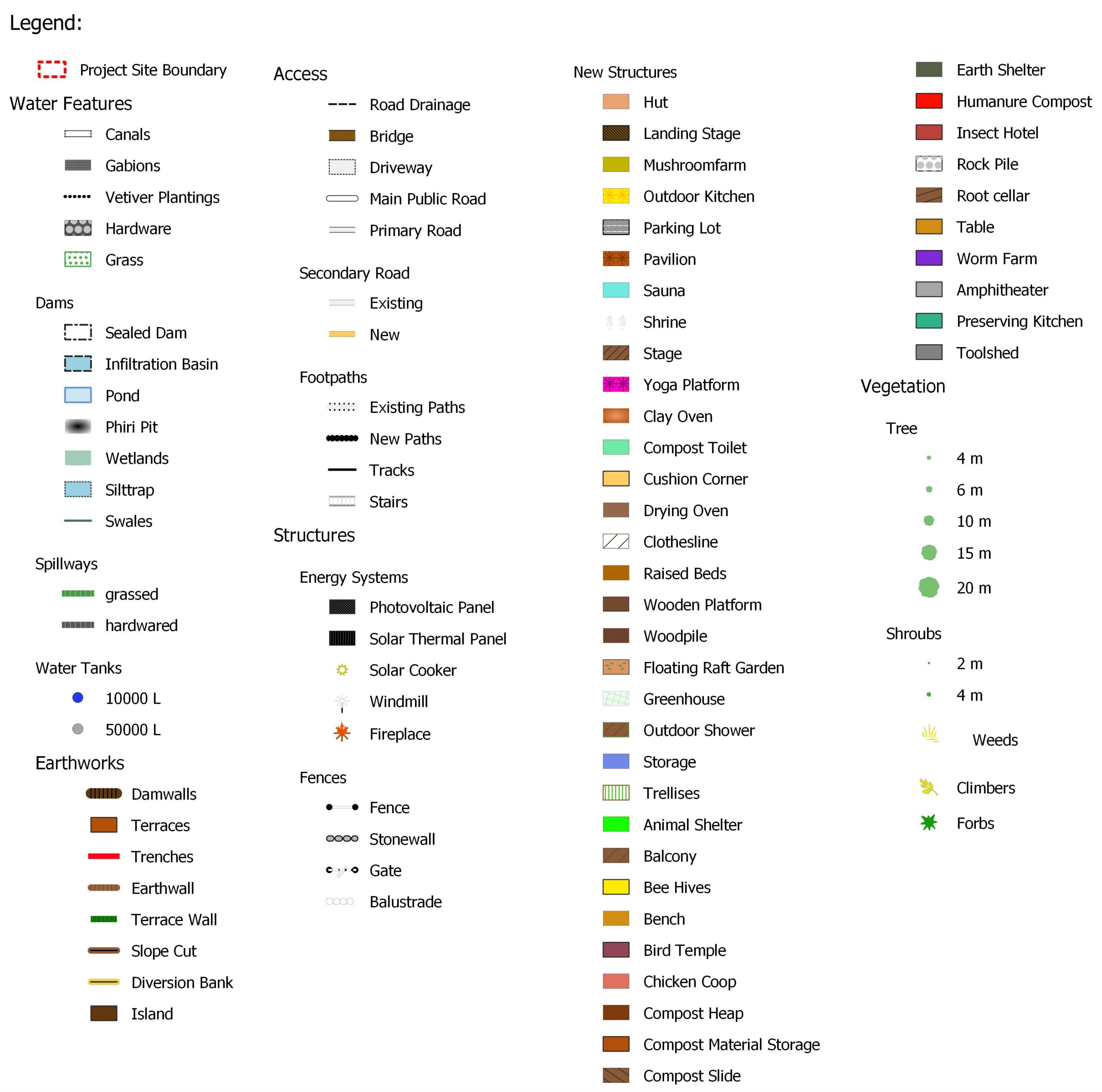
New elements have been placed with the intention of creating efficient workflows and connected to existing structures so that they fulfill several functions at once (shading, wind protection, irrigation, biomass production, composting, food production) and important functions are covered multiple times. In order to access important areas and relieve sensitive areas, as well as for erosion control reasons, the plan provides for a new road layout in some places. Common areas (fire pit as a social hub, outdoor kitchen, dining area, accommodations, campground, playground) are positioned and designed to promote integration and interaction: easily accessible, respectful of quiet areas, and nestled in shady, attractive spaces. Small and large clearings provide space for events such as festivals or celebrations. Finally, a wind and fire protection strip on the eastern edge of the property increases the tranquility and safety of the plain.
About this Design
The design should be understood as an orientational framework and space of possibilities – a master plan that evolves through new observations and adaptations during implementation. Corresponding adjustments as well as the concrete realization remain the responsibility of the Maitreya community, with Gaia Guidance remaining available upon request.
The concept can be freely used and shared within the framework of Permaculture ethics. The underlying systemic principles are transferable to other semi-arid regions – however, direct adoption of other elements requires adaptation to specific local conditions.